
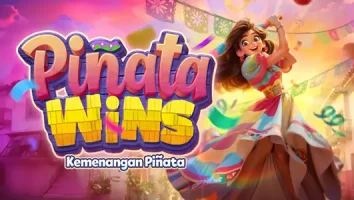










Slot Online Game Judi Paling Gacor dan Terkenal
Bermain slot online adalah salah satu cara yang seru untuk mengisi waktu, tetapi untuk bisa bermain anda perlu untuk melakukan deposit dengan uang asli sehingga pemain kadang sering ragu untuk memainkan game slot terbaru. Untuk itu Demo slot merupakan solusi ideal untuk mencoba berbagai permainan tanpa harus mengeluarkan uang sungguhan.
Untuk bisa mulai bermain demo slot sangat mudah, anda hanya harus mencari nama permainan yang ingin anda mainkan contoh "Gates of Olympus" kemudian pilih game yang sesuai, setelah itu klik tombol "Play" untuk mulai bermain. Penting untuk akrab dengan fitur-fitur khusus setiap permainan, seperti cara pembayaran, wild symbol, scatter symbol, dan jackpot progresif. Selalu kendalikan waktu bermain Anda agar tetap terkendali dan menghindari kecanduan.

Untuk bisa mulai bermain demo slot sangat mudah, anda hanya harus mencari nama permainan yang ingin anda mainkan contoh "Gates of Olympus" kemudian pilih game yang sesuai, setelah itu klik tombol "Play" untuk mulai bermain. Penting untuk akrab dengan fitur-fitur khusus setiap permainan, seperti cara pembayaran, wild symbol, scatter symbol, dan jackpot progresif. Selalu kendalikan waktu bermain Anda agar tetap terkendali dan menghindari kecanduan.
Keuntungan Bermain Slot Online di Mode Demo
- Eksplorasi Tanpa Risiko. Slot demo menawarkan lingkungan tanpa risiko, memungkinkan pemain untuk menjelajahi berbagai permainan tanpa khawatir kehilangan uang sungguhan. Ini sangat cocok untuk pemula yang ingin memahami dunia slot online.
- Memahami Mekanisme Permainan. Mode demo memberikan kesempatan bagus untuk memahami mekanisme berbagai permainan slot. Pemain dapat memahami garis pembayaran, fitur khusus, dan putaran bonus tanpa tekanan konsekuensi finansial.
- Memahami Strategi Bertaruh. Pemain dapat mencoba berbagai strategi bertaruh dalam mode demo. Ini memungkinkan mereka menemukan rentang taruhan yang nyaman dan memahami bagaimana ukuran taruhan yang berbeda memengaruhi pengalaman bermain secara keseluruhan.
- Mencoba Berbagai Tema Permainan. Slot demo menawarkan berbagai tema permainan. Pemain dapat mencoba berbagai tema, mulai dari slot buah klasik hingga slot berpetualang dan bertema, membantu mereka menemukan preferensi mereka sebelum menggunakan uang sungguhan.
- Menjelajahi Provider Game. Bermain dalam mode demo memungkinkan pengguna menjelajahi permainan dari berbagai penyedia tanpa komitmen finansial.
- Meningkatkan Keterampilan Bermain. Melalui latihan berulang dalam mode demo, pemain dapat meningkatkan keterampilan bermain mereka. Ini termasuk menguasai timing putaran, memahami kombinasi simbol, dan menjadi terampil dalam mengenali fitur bonus.
- Membangun Kepercayaan Diri. Bermain slot dalam mode demo membangun kepercayaan diri pemain. Saat pemain menjadi akrab dengan gameplay dan fitur, mereka lebih mungkin merasa nyaman beralih ke permainan dengan uang sungguhan.
- Pengambilan Keputusan Tanpa Risiko Keuangan. Mode demo memungkinkan pemain membuat keputusan yang lebih pasti dalam memilih permainan mana yang layak dicoba dengan uang sungguhan. Dengan bermain berbagai game tanpa risiko keuangan, pemain dapat membuat pilihan yang lebih percaya diri.
- Tidak Memerlukan Registrasi. Berbeda dengan permainan dengan uang sungguhan, slot demo sama sekali tidak perlu melakukan registrasi. Pemain dapat menikmati permainan secara instan tanpa perlu memberikan informasi pribadi, menjadikan pengalaman ini bebas masalah.
- Hiburan Tanpa Modal. Di atas semua itu, bermain slot dalam mode demo dapat menjadi pilihan bagi anda sebagai media hiburan alternatif.
Strategi Terbaik Bermain Slot Online dengan Memanfaatkan Demo Slot
- Sebelum mulai bermain pastikan terlebih dahulu bahwa Anda telah memahami aturan dasar dari game tersebut.
- Main permainan yang membuat anda penasaran atau tema yang anda sukai
- Manfaatkan semua fitur yang ditawarkan agar lebih mudah di mengerti.
- Selalu mengatur total taruhan sesuai cara anda bermain.
- Terakhir tetapi tidak kalah pentingnya adalah coba berbagai macam pola dan trik yang ampuh yang bisa anda coba maupun anda ciptakan sendiri untuk digunakan dalam permainan asli.
Pengembang Slot yang Tersedia Ditempat Kami
Saat ini, puluhan pengembang berusaha mengeluarkan game yang dapat memberikan pengalaman bermain dan menarik perhatian para pemain. Beberapa dari pengembang tersebut juga menyediakan mode demo dari slot yang mereka keluarkan salah satu yang paling terkenal adalah Pragmatic Play. Namun masih ada beberapa pengembang lain yang juga menarik untuk dicoba. Berikut adalah daftar pengembang yang tersedia di tempat kami.Istilah Umum yang Sering Muncul Saat Bermain Demo Slot
- Payline
- Garis pembayaran yang diatur dalam permainan slot untuk menentukan kemenangan jika ada gambar yang berhenti di garis tersebut
- Scatter Pays
- Cara pembayaran yang bisa memberikan kemenangan secara langsung dengan memunculkan simbol dengan jumlah tertentu.
- Cluster Pays
- Cara pembayaran yang bisa memberikan kemenangan dari simbol sama yang menempel secara horizontal maupun vertikal.
- Jackpot
- Jackpot merupakan kemenangan terbesar yang bisa diperoleh dalam sekali taruhan saja.
- Simbol Scatter
- Simbol unik yang bisa memberikan kemenangan atau fitur khusus.
- Wild
- Simbol yang bisa menggantikan seluruh simbol lain selain scatter untuk membentuk kombinasi kemenangan.
- Pengali
- Faktor yang dapat melipatgandakan kemenangan, misalkan ×2, ×3, ×4, dan seterusnya
- RTP
- Return To Player merupakan tingkat persentase pengembalian kekalahan yang bisa di peoleh pemain dalam waktu lama.
- Volatilitas
- Indikasi seberapa mudah pembayaran didapatkan dalam 100 putaran.
- Reel
- Kolom dalam sebuah game slot online.
- Row
- Baris dalam sebuah game slot online.
- Fitur Tumbling atau Runtuhan
- Fitur yang dapat memberikan kemenangan beruntung dalam sekali putaran dengan menghapus semua simbol yang terlibat dalam kemenangan kemudian menggantinya dengan simbol yang baru.
- Fitur Respin
- Salah satu mekanisme permainan yang memungkinkan pemain untuk memutar kembali satu atau beberapa gulungan secara terpisah setelah putaran utama selesai..
- Expanding Wild
- Kemampuan suatu fitur dalam meningkatkan jumlah wild dalam gulungan tanpa perlu didapatkan secara manual.
- Sticky Wild
- Simbol wild yang melekat di posisi dan tidak akan hilang jika putaran spin selanjutnya dilakukan.
FAQ
Apa itu Demo Slot?
Demo Slot merupakan sebuah game slot yang menggunakan uang virtual sebagai taruhannya tanpa perlu melakukan pendaftaran atau deposit dengan uang asli, semua dengan tujuan untuk memperkenalkan game tersebut.
Apa itu Slot Online?
Slot Online merupakan salah satu jenis judi online yang paling populer diindonesia karena kemudahannya dalam memainkannya seperti dindong
Berapa banyak permainan slot yang tersedia?
Total permainan yang kami sediakan sudah ada lebih dari 200 permainan dan masih terus bertambah seiring waktu
Apakah ada syarat dan ketentuan untuk bermain demo slot?
Pastikan anda berusia 18 tahun keatas agar bisa secara legal memainkan permainan demo slot yang disediakan.